

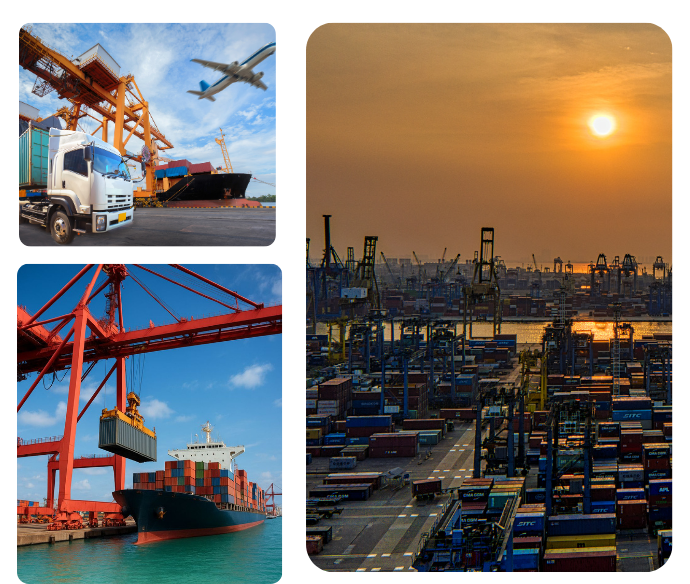
Freight forwarding in Nigeria is not just about moving cargo from one country to another. It is about navigating regulations, documentation, port systems, customs compliance, cost control, and delivery coordination .For businesses importing into Nigeria, understanding freight forwarding Nigeria processes is the difference between smooth cargo clearance and expensive delays.
This guide explains everything you need to know.
What Is Freight Forwarding?
Freight forwarding is the coordination and shipment of goods from one location to another through:
- Ocean freight
- Air freight
- Road transport
- Multimodal shipping
A freight forwarder in Nigeria acts as:
- Shipping coordinator
- Documentation expert
- Customs liaison
- Logistics manager
They do not necessarily own ships or planes. They manage the entire shipping process on behalf of the importer.
Why Freight Forwarding in Nigeria Is Different
Nigeria’s import system involves:
- Nigeria Customs Service
- NPA (Nigerian Ports Authority)
- Terminal operators
- SON (Standards Organization of Nigeria)
- NAFDAC (for regulated goods)
- Shipping lines
- Clearing agents
Without expertise in freight forwarding Nigeria regulations, shipments can face:
- Delays
- Demurrage charges
- Incorrect duty payments
- Cargo seizure
- Compliance penalties
That is why choosing a professional freight forwarder Nigeria businesses trust is essential.
Types of Freight Forwarding in Nigeria
1. Ocean Freight
Ocean freight is the most common method for importing goods into Nigeria.
It is ideal for:
- Bulk cargo
- Heavy machinery
- Large commercial shipments
- Containerized goods
Two main options:
- FCL (Full Container Load)
- LCL (Less than Container Load)
Ocean freight is cost-effective but slower than air freight.
2. Air Freight
Air freight forwarding in Nigeria is used for:
- Urgent shipments
- High-value goods
- Perishable items
- Electronics
It is faster but more expensive. Businesses often choose air freight when time is more valuable than shipping cost.
3. Consolidated Cargo
Small importers often use consolidated freight forwarding services Nigeria providers offer. Multiple shipments are grouped into one container to reduce cost.
This is common for:
- Small business owners
- E-commerce importers
- SMEs importing from China
Step-by-Step Freight Forwarding Process in Nigeria
Understanding the process improves cost control and prevents mistakes.
Step 1: Supplier Coordination
Your freight forwarder Nigeria partner communicates with your supplier to confirm:
- Packing list
- Commercial invoice
- Cargo readiness date
- Incoterms (FOB, CIF, EXW, etc.)
Step 2: Form M Processing
Form M is mandatory for most imports into Nigeria.
It is processed through:
- Authorized Nigerian banks
- Nigeria Customs portal
Without Form M, freight forwarding Nigeria shipments cannot legally clear.
Step 3: PAAR Processing
PAAR (Pre-Arrival Assessment Report) determines duty payable.
It ensures:
- Correct HS code classification
- Accurate duty calculation
- Regulatory compliance
Incorrect PAAR processing causes major delays.
Step 4: Freight Booking
The freight forwarder books:
- Vessel space for ocean freight
- Airline cargo space for air freight
Rates are negotiated based on:
- Cargo size
- Weight
- Destination
- Urgency
Step 5: Shipment Tracking
Professional freight forwarding Nigeria companies provide cargo tracking updates.
This improves:
- Planning
- Warehouse preparation
- Cash flow management
Step 6: Port Arrival & Customs Clearance
Upon arrival at:
- Apapa Port
- Tin Can Island Port
- Murtala Muhammed Airport
Customs clearance begins.
Documentation required:
- Bill of Lading
- Commercial invoice
- Packing list
- PAAR
- Form M
- SONCAP (if applicable)
- NAFDAC permits (if required)
Step 7: Duty Payment
Customs calculates duty based on:
- CIF value
- HS code
- Applicable levies
After payment, cargo proceeds to examination.
Step 8: Cargo Examination
Customs inspects goods to confirm:
- Quantity
- Classification
- Compliance
Once cleared, release is granted.
Step 9: Final Delivery
Cargo is transported to:
- Warehouse
- Factory
- Retail location
Freight forwarding Nigeria services are complete only when goods reach the final destination.
Common Challenges in Freight Forwarding Nigeria
- Port congestion
- Incorrect documentation
- Regulatory updates
- Terminal delays
- Demurrage accumulation
Experienced freight forwarders anticipate these issues and plan accordingly.
How to Choose the Right Freight Forwarder in Nigeria
When selecting a freight forwarding Nigeria partner, look for:
1. Regulatory Knowledge
They must understand customs procedures.
2. Transparent Pricing
Hidden charges destroy trust.
3. Port Experience
Apapa and Tin Can require operational familiarity.
4. End-to-End Capability
Freight + customs + delivery.
5. Communication
Clear updates reduce uncertainty.
Cost of Freight Forwarding in Nigeria
Costs vary based on:
- Cargo type
- Shipping mode
- Volume
- Port charges
- Customs duties
- Regulatory permits
Ocean freight is cheaper but slower.
Air freight is faster but more expensive.
A professional freight forwarding Nigeria provider helps optimize cost based on urgency.
Why Super Moonlight Is a Trusted Freight Forwarding Company in Nigeria
Super Moonlight Logistics provides:
- Ocean freight coordination
- Air freight services
- Full customs clearance
- Regulatory documentation
- Warehousing support
- Nationwide distribution
Our structured approach reduces:
- Clearance delays
- Demurrage charges
- Compliance risks
We combine regulatory knowledge with operational efficiency. That is what freight forwarding Nigeria should look like.
Frequently Asked Questions About Freight Forwarding Nigeria
How long does freight forwarding take in Nigeria?
Ocean freight: 4–8 weeks depending on origin.
Air freight: 3–10 days.
Can I import without a freight forwarder?
Technically yes, practically risky. Regulations and documentation errors can cost more than professional service fees.
What is the biggest mistake importers make?
Incorrect documentation and underestimating port charges.
Strategic Importance of Professional Freight Forwarding Nigeria Services
Freight forwarding affects:
- Inventory flow
- Sales cycles
- Cash flow
- Customer satisfaction
- Business reputation
Poor logistics destroys good business models. Strong logistics strengthens growth.
Freight forwarding in Nigeria is complex but manageable with the right expertise.
It requires:
- Documentation accuracy
- Regulatory knowledge
- Port coordination
- Cost optimization
- Professional handling
Businesses that treat logistics strategically outperform competitors.
If you are importing into Nigeria and need professional freight forwarding Nigeria services:
Visit: https://smoonlight.ng/
Or contact our freight forwarding desk to begin your shipment process.
Your cargo deserves structure.
Your business deserves reliability.
