

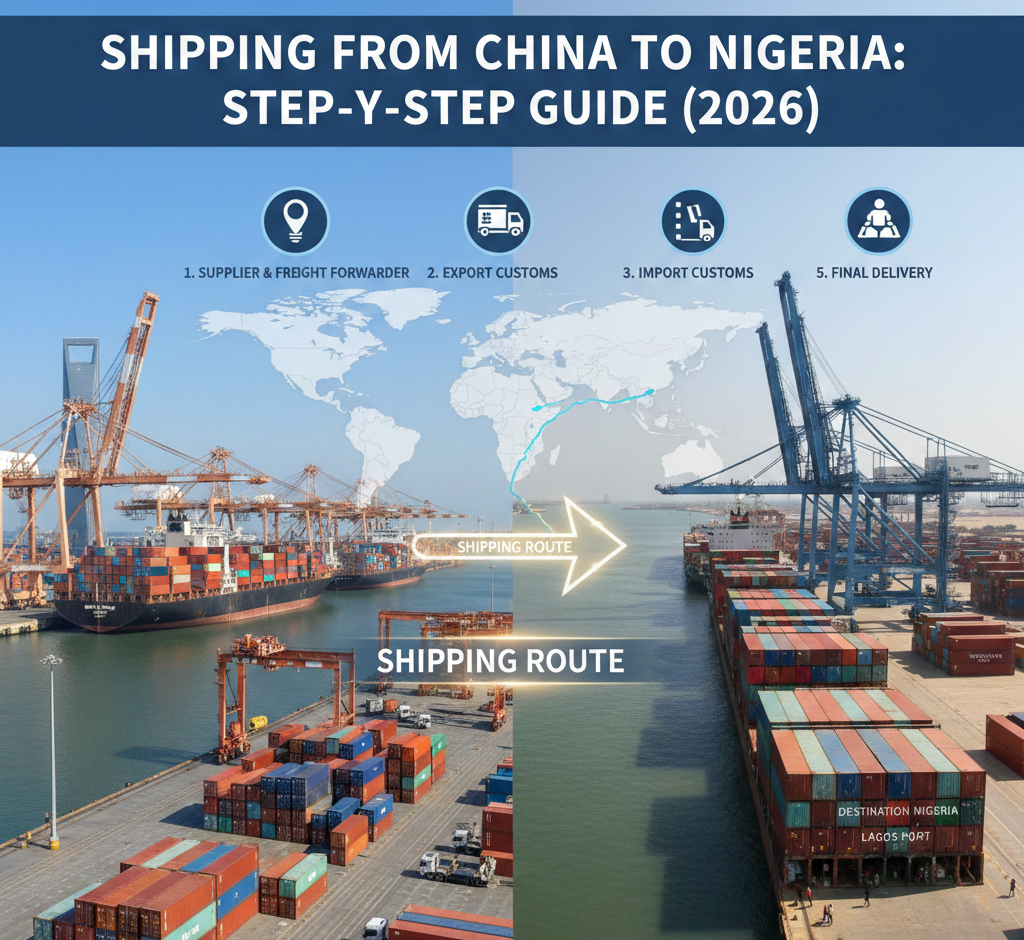
Shipping from China to Nigeria is one of the most profitable and strategic trade routes for Nigerian entrepreneurs and businesses. From electronics and fashion to industrial equipment, China remains Nigeria’s largest import partner due to its manufacturing capacity and competitive pricing. However, the process can be complex. Without the right knowledge, importers risk delays, penalties, damaged goods, or unexpected costs.
This comprehensive guide explains every stage of Shipping from China to Nigeria, helping you understand timelines, documentation, shipping options, and best practices.
Why Import from China?
China dominates global manufacturing due to:
- Competitive production costs
- Wide product variety
- Advanced manufacturing infrastructure
- Strong export logistics networks
For Nigerian businesses, importing from China offers higher profit margins and scalability.
Step 1: Market Research and Product Selection: Before initiating shipping from China to Nigeria, ensure there is demand for your product.
Key considerations:
- Target market demand
- Competitor pricing
- Import regulations
- Product certification requirements.
Step 2: Finding and Verifying Suppliers: Choosing a reliable supplier is critical.
Verification checklist:
- Business registration verification
- Factory inspection or audit
- Product samples
- Customer reviews
For most Nigerian importers, partnering with professional freight forwarding services in Lagos Nigeria is the single most effective way to navigate every step in this guide without delays, penalties, or unexpected costs
Step 3: Negotiating Terms and Payment
Common payment methods include:
- Telegraphic Transfer (T/T)
- Letter of Credit
- Alibaba Trade Assurance
Negotiate:
- Unit price
- Production timeline
- Packaging
- Incoterms (FOB, CIF, EXW)
Step 4: Choosing the Best Shipping Method
- Air Freight: Best for urgent shipments and high-value goods.
Transit time: 5–10 days - Ocean Freight: Most economical for bulk cargo.
Transit time: 30–45 days - Express Courier: Ideal for samples or small parcels.
Step 5: Required Shipping Documents
Essential documents include:
- Commercial Invoice
- Packing List
- Bill of Lading
- Certificate of Origin
- SONCAP (where required)
- Form M
Even with the right shipping method, costly errors can still occur at every stage of the process. Our dedicated guide covers the top mistakes importers make when shipping from China to Nigeria from wrong HS codes and missed Form M filings to poor supplier verification.
Step 6: Customs Clearance Process in Nigeria
Customs clearance involves:
- Documentation submission
- Duty assessment
- Cargo inspection
- Release authorization
Errors in declaration can cause costly delays, which is why professional clearing support is recommended.
Step 7: Last-Mile Delivery
Common Challenges Importers Face
- Delayed shipments
- Incorrect documentation
- Unexpected costs
- Poor supplier communication
Cost Factors in Shipping from China to Nigeria
Costs depend on:
- Cargo volume and weight
- Shipping method
- Customs duties
- Fuel surcharges
Tips for Successful Importation
✔ Consolidate shipments
✔ Plan for seasonal delays
✔ Use cargo insurance
✔ Work with experienced freight forwarders
Why Professional Logistics Support Matters
Professional logistics providers offer:
- End-to-end visibility
- Documentation handling
- Customs expertise
- Cost optimization
Future Trends in China-Nigeria Trade
- Increased e-commerce imports
- Faster digital customs processes
- Growth in consolidated shipping
Shipping from China to Nigeria is highly rewarding when done correctly. By understanding each step from supplier verification to final delivery businesses can reduce risks and increase profitability
.Ready to import goods from China without stress? Contact Super Moonlight Logistics today for a tailored shipping plan and accurate quote.
