

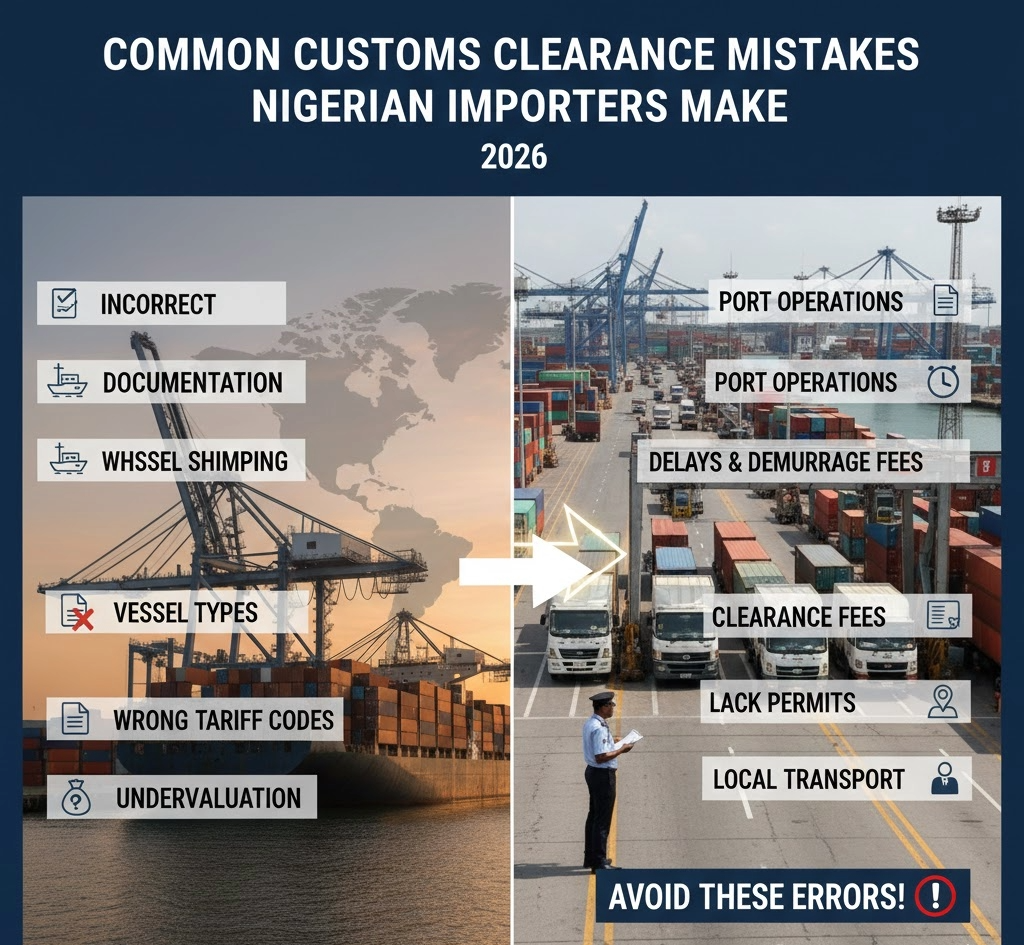
Importing goods into Nigeria offers significant opportunities for businesses, but it also comes with regulatory complexities that can quickly turn profitable shipments into costly experiences. One of the biggest challenges importers face is navigating customs processes without errors.
Understanding the most common Customs Clearance Mistakes can save businesses millions in avoidable charges, delays, and penalties. In this comprehensive guide, we break down the frequent pitfalls Nigerian importers encounter, why they happen, and how to avoid them with the support of experienced logistics professionals like Super Moonlight Logistics.
This article is designed to educate importers, improve decision-making, and help businesses achieve faster, smoother, and more cost-efficient cargo clearance.
Why Customs Clearance Is Critical in Nigeria
Customs clearance is the gateway between international shipping and local delivery. Without proper compliance, goods cannot legally enter the market.
Key Reasons It Matters
- Determines import legality
- Impacts delivery timelines
- Influences final landed cost
- Prevents fines and cargo seizure
Because regulations are frequently updated, importers must stay informed to avoid Customs Clearance Mistakes that could disrupt supply chains.
Overview of the Customs Clearance Process
Before exploring the mistakes, it’s important to understand how clearance works.
Standard Steps
1️. Documentation submission
2️. Duty assessment
3️. Physical or scanner inspection
4️. Payment of duties and charges
5️. Cargo release
Top Customs Clearance Mistakes Nigerian Importers Make
Below are the most frequent Customs Clearance Mistakes businesses encounter.
1. Incorrect HS Code Classification
The Harmonized System (HS) code determines duty rates. Using the wrong code can result in:
- Overpayment or underpayment of duties
- Cargo delays
- Penalties
2. Incomplete or Inaccurate Documentation
Missing or incorrect documents are among the most common Customs Clearance Mistakes.
Common Documentation Errors
- Incorrect invoice values
- Mismatched packing lists
- Missing Form M
- Incorrect consignee details
3. Under-Declaring Cargo Value
Some importers attempt to reduce duties by declaring lower values. This can lead to:
- Heavy fines
- Cargo seizure
- Blacklisting
4. Ignoring Import Regulations
Certain goods require certifications such as SONCAP or NAFDAC approval. Importing without them can result in cargo detention.
5. Choosing the Cheapest Clearing Agent
Cost-driven decisions often lead to poor service and mistakes.
Risks
- Delayed processing
- Poor documentation handling
- Unexpected charges
6. Failure to Plan for Duties and Taxes: Many businesses underestimate total clearance costs, leading to cash flow issues that delay cargo release.
7. Not Understanding Port Charges
Beyond duties, importers must pay:
- Terminal handling charges
- Storage fees
- Demurrage
8. Late Documentation Submission: Delays in submitting paperwork often result in storage and demurrage charges.
9. Poor Communication with Suppliers: Incorrect shipping details or missing documents often originate from supplier miscommunication.
10. Lack of Cargo Insurance: While not mandatory, uninsured cargo exposes importers to financial risk if goods are damaged or lost.
Financial Impact of Customs Clearance Mistakes
The consequences of Customs Clearance Mistakes can be severe.
Potential Costs
- Demurrage charges
- Storage fees
- Fines and penalties
- Delayed sales
- Lost customers
How to Avoid Customs Clearance Mistakes
1. Work with Experienced Clearing Agents: Professionals understand regulations and prevent costly errors.
2. Verify Documentation Before Shipment: Double-check invoices, packing lists, and certificates.
3. Use Accurate HS Codes: Consult experts to ensure proper classification.
4. Budget for Total Clearance Costs: Plan finances to avoid delays.
5. Maintain Clear Supplier Communication: Provide detailed shipping instructions.
Best Practices for Smooth Import Operations
- Start documentation early
- Keep digital copies of all documents
- Monitor regulatory updates
- Track shipments in real time
- Partner with reliable logistics providers
Role of a Professional Clearing Agent
A professional clearing agent ensures:
✔ Accurate documentation
✔ Compliance with regulations
✔ Faster cargo release
✔ Reduced risk of penalties
Why Choose Super Moonlight Logistics
Super Moonlight Logistics provides end-to-end customs clearance solutions designed to eliminate the most common Customs Clearance Mistakes.
Key Benefits
- Expert customs compliance support
- Transparent pricing
- Fast processing timelines
- Dedicated account management
- Nationwide delivery
Avoiding Customs Clearance Mistakes is essential for Nigerian importers who want predictable delivery timelines and optimized costs. From accurate documentation to regulatory compliance, every step plays a crucial role in ensuring smooth cargo clearance.
Businesses that invest in professional logistics support not only reduce risks but also improve operational efficiency and profitability.
Avoid costly customs delays and clearance errors. Contact Super Moonlight Logistics for expert customs clearance services and seamless import operations.
Contact us today to get a free consultation and quote.
