

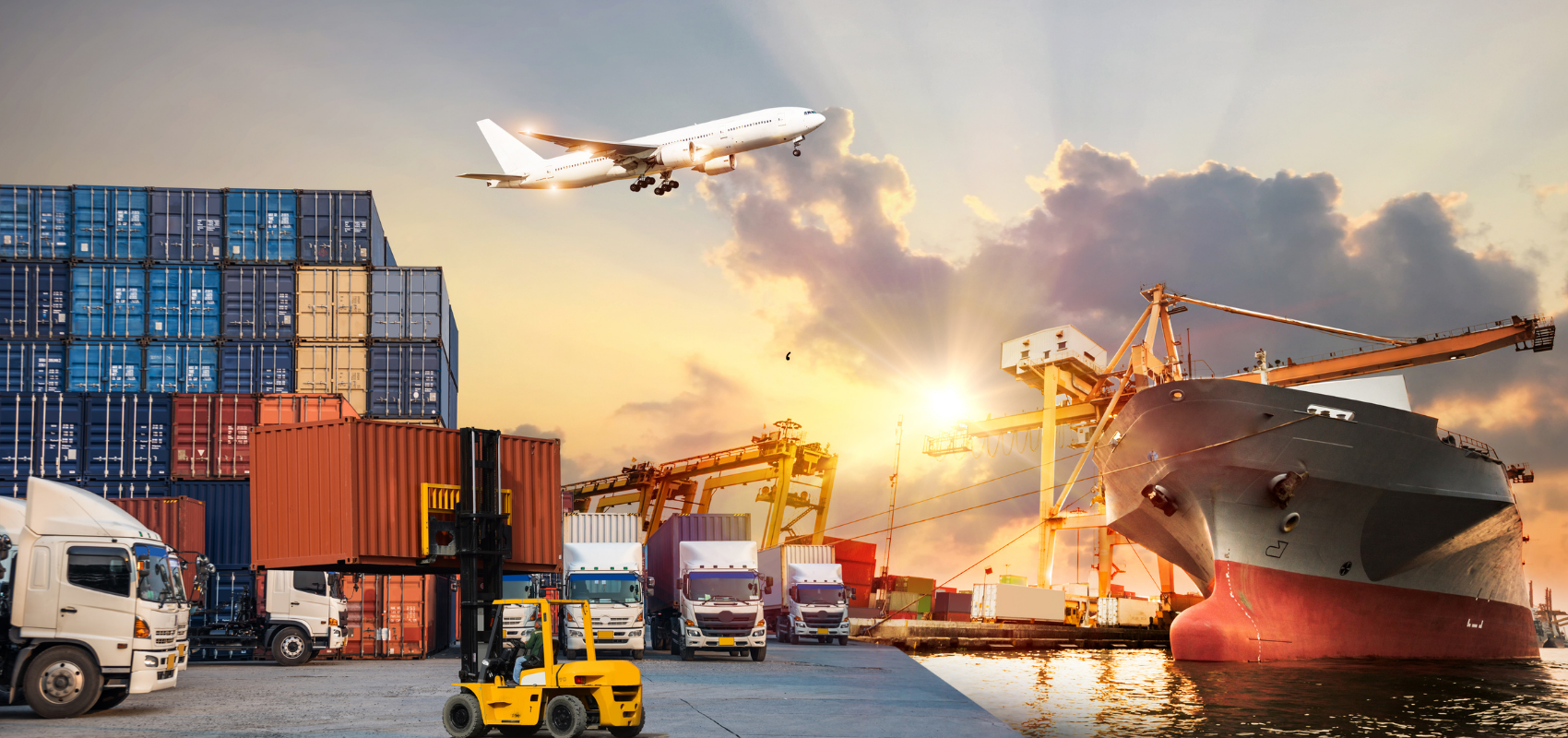
Nigeria is one of the largest import markets in Africa. Every year, thousands of businesses import goods ranging from electronics and machinery to fashion items and industrial equipment. However, importing goods into Nigeria is not always straightforward. Many businesses experience delays that disrupt supply chains, increase operational costs, and affect customer satisfaction. Understanding the Common Import Delays in Nigeria is essential for businesses that depend on international trade. With the right knowledge and logistics partner, many of these delays can be prevented.
In this comprehensive guide, we will explore the Common Import Delays in Nigeria, the causes behind them, and practical strategies businesses can use to avoid costly disruptions.
Companies such as Super Moonlight Logistics help businesses overcome these challenges by providing professional freight forwarding and customs clearance services that ensure cargo moves smoothly through Nigeria’s ports.
Why Import Delays Are a Major Challenge in Nigeria
Nigeria handles a massive volume of cargo each year through major ports such as:
- Apapa Port in Lagos
- Tin Can Island Port
- Port Harcourt Port
- Onne Port
While these ports serve as gateways for international trade, several operational and regulatory factors can cause shipment delays.
Import delays can lead to serious business consequences, including:
- increased storage costs
- production disruptions
- missed market opportunities
- damaged business relationships
This is why businesses must understand the Common Import Delays in Nigeria and take proactive steps to prevent them.
1. Incomplete or Incorrect Shipping Documentation
One of the most frequent causes of import delays is improper documentation.
International shipping requires several important documents, including:
- Commercial Invoice
- Packing List
- Bill of Lading
- Form M
- Pre-Arrival Assessment Report (PAAR)
- Certificate of Origin
If any of these documents are missing or contain incorrect information, customs officials may delay the shipment for verification.
Even small errors in product descriptions, values, or quantities can trigger additional inspection.
How to Avoid This Delay
Businesses should work with experienced logistics professionals who understand Nigerian import regulations.
Professional freight forwarders like Super Moonlight Logistics ensure that all documentation is properly prepared before cargo arrives in Nigeria.
2. Customs Clearance Delays
Customs clearance is a critical stage in the import process. All imported goods must be reviewed and approved by customs authorities before they can be released.
Several factors may slow down this process, including:
- incorrect duty calculations
- incomplete paperwork
- regulatory checks
- compliance issues
When shipments are flagged for additional inspection, clearance time can increase significantly.
How to Avoid This Delay
To prevent customs-related delays:
- ensure accurate documentation
- declare goods correctly
- pay duties and tariffs promptly
- work with a customs clearance expert
Freight forwarding companies manage the entire clearance process to ensure faster cargo release.
3. Port Congestion
Port congestion is another major contributor to the Common Import Delays in Nigeria.
Because Lagos ports handle a large portion of the country’s cargo traffic, they often experience heavy container volumes.
Congestion may lead to:
- vessel waiting time
- delayed container unloading
- slower cargo processing
These delays can affect both sea freight and inland cargo transportation.
How to Avoid This Delay
Businesses can reduce the impact of port congestion by:
- planning shipments in advance
- choosing experienced logistics providers
- scheduling cargo arrivals strategically
Reliable logistics companies coordinate shipping schedules to minimize congestion risks.
4. Incorrect Product Classification
All imported goods must be classified using the appropriate tariff codes.
Incorrect classification may result in:
- incorrect duty charges
- customs disputes
- shipment delays
This problem is especially common among first-time importers who are unfamiliar with tariff classification systems.
How to Avoid This Delay
Businesses should work with freight forwarders who understand Nigeria’s tariff classification structure.
Accurate classification ensures smooth customs processing and prevents unnecessary delays.
5. Delayed Duty and Tax Payments
Import duties and taxes must be paid before goods can be released from customs.
If payments are delayed, cargo may remain at the port for extended periods.
This can lead to additional charges such as:
- storage fees
- demurrage costs
- port handling charges
How to Avoid This Delay
Businesses should prepare duty payments in advance and ensure all financial requirements are met before cargo arrives.
Professional logistics providers assist importers in calculating duties and preparing payment schedules.
6. Cargo Inspection Delays
Some shipments may be selected for physical inspection by customs authorities.
Inspection may be triggered by:
- high-value cargo
- suspicious documentation
- regulatory compliance checks
While inspections are a normal part of import procedures, they can increase clearance time.
How to Avoid This Delay
Although inspections cannot always be avoided, businesses can reduce the likelihood of delays by ensuring that all shipping documentation is accurate and complete.
Experienced freight forwarders help manage inspection procedures efficiently.
7. Logistics Coordination Issues
Import shipments involve multiple stakeholders, including:
- suppliers
- shipping companies
- freight forwarders
- customs authorities
- transportation providers
Poor coordination between these parties can result in delays at various stages of the logistics process.
How to Avoid This Delay
Choosing a logistics partner that manages the entire supply chain helps improve coordination and prevent communication breakdowns.
8. Poor Packaging and Cargo Handling
Improper packaging can damage goods during transportation.
Damaged cargo may require inspection or repackaging at the port, which can delay clearance.
How to Avoid This Delay
Suppliers should use proper export packaging that protects goods during international transportation.
Professional freight forwarders also ensure cargo is handled safely throughout the shipping process.
9. Regulatory Compliance Issues
Certain imported goods must meet specific regulatory requirements before entering Nigeria.
These requirements may involve approvals from regulatory agencies such as:
- NAFDAC
- SON
- NDLEA
Failure to comply with these regulations may delay cargo clearance.
How to Avoid This Delay
Importers should verify regulatory requirements before placing orders.
Working with experienced logistics professionals helps ensure compliance with Nigerian import laws.
Why Working With a Professional Freight Forwarder Matters
Many of the Common Import Delays in Nigeria can be avoided with the right logistics partner.
Professional freight forwarders help businesses manage complex shipping procedures, documentation, and customs requirements.
Key benefits include:
- faster customs clearance
- reduced shipping risks
- improved logistics coordination
- cost-effective cargo transportation
Reliable logistics companies simplify international trade by managing the entire shipping process.
Why Businesses Choose Super Moonlight Logistics
For businesses importing goods into Nigeria, Super Moonlight Logistics offers professional logistics services designed to prevent import delays and ensure efficient cargo movement.
The company provides comprehensive freight forwarding solutions that support businesses across multiple industries.
Key advantages include:
Expert Customs Clearance
The company manages all documentation and regulatory requirements to ensure smooth cargo clearance.
Reliable Freight Forwarding
Clients benefit from efficient sea freight, air freight, and cargo transportation services.
Secure Cargo Handling
Strict cargo handling procedures ensure shipments arrive safely.
Transparent Logistics Processes
Clear communication and shipment updates keep clients informed throughout the shipping process.
These capabilities make Super Moonlight Logistics a trusted partner for businesses importing goods into Nigeria.
Tips for Avoiding Import Delays in Nigeria
Businesses can minimize shipping disruptions by following these best practices:
- verify supplier documentation before shipment
- work with experienced freight forwarders
- prepare customs documentation in advance
- plan shipments ahead of time
- ensure regulatory compliance
By following these strategies, businesses can avoid many of the Common Import Delays in Nigeria.
Partner With Experts for Smooth Import Logistics
Importing goods into Nigeria can be complex, but with the right preparation and logistics partner, businesses can avoid costly delays.
Understanding the Common Import Delays in Nigeria helps companies develop better import strategies and maintain efficient supply chains.
Working with experienced freight forwarding companies ensures that shipments move smoothly through ports, customs, and final delivery.
Contact Super Moonlight Logistics Today
If you want to avoid costly import delays and ensure reliable shipping, partner with Super Moonlight Logistics.
The company provides professional logistics services designed to simplify international trade.
Services include:
✔ Freight forwarding services
✔ Customs clearance solutions
✔ Sea freight and air freight shipping
✔ Cargo tracking and logistics coordination
✔ Door-to-door delivery services
Visit https://smoonlight.ng/ today to request a shipping quote or speak with a logistics expert.
Let Super Moonlight Logistics manage your logistics while you focus on growing your business.
