

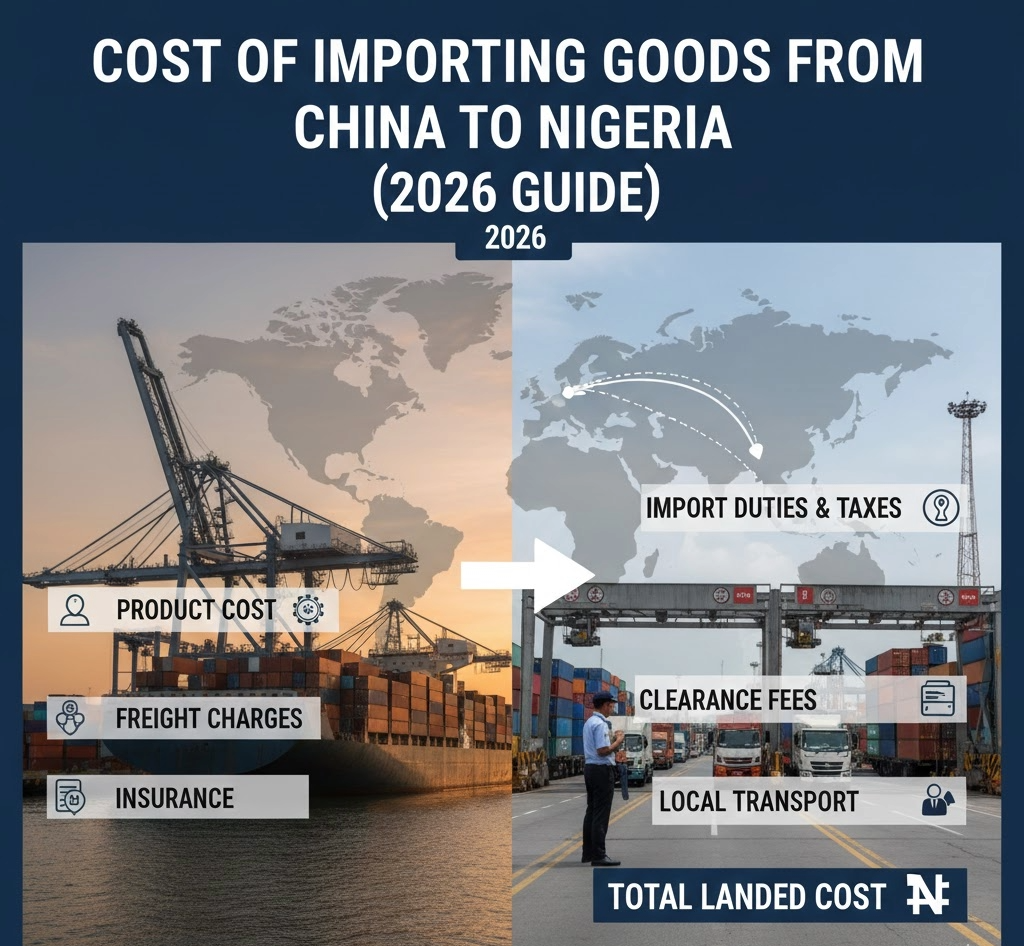
Importing from China to Nigeria remains one of the most profitable trade routes for businesses, e-commerce entrepreneurs, and wholesalers. However, understanding the Cost of Importing Goods from China to Nigeria is crucial if you want to maintain healthy profit margins and avoid hidden expenses.
In this comprehensive 2026 guide, you’ll learn every cost component, how to calculate your landed cost, common mistakes importers make, and how to reduce expenses while ensuring smooth delivery with a trusted logistics partner like Super Moonlight Logistics.
Why Import from China to Nigeria in 2026
China remains the world’s manufacturing hub, offering:
- Competitive pricing
- Massive product variety
- Flexible production volumes
- Strong supply chain infrastructure
For Nigerian importers, this means access to high-margin opportunities across industries like electronics, fashion, construction materials, home appliances, and industrial equipment. However, profitability depends largely on accurately estimating the Cost of Importing Goods from China to Nigeria, which goes far beyond just the product price.
Overview of the Cost of Importing Goods from China to Nigeria
The total cost of importing is known as landed cost, which includes:
- Product purchase price
- Freight charges
- Insurance
- Import duty
- VAT
- Clearing fees
- Local delivery
1. Product Cost (Factory Price)
The first component of the Cost of Importing Goods from China to Nigeria is the product price itself.
Factors Affecting Product Cost
- Minimum Order Quantity (MOQ)
- Customization requirements
- Supplier reputation
- Material quality
- Currency exchange rates
Typical Price Range (2026)
| Product Category | Price Range |
| Electronics | $5 – $300 per unit |
| Fashion items | $1 – $50 per unit |
| Machinery | $500 – $20,000 |
| Household goods | $2 – $150 |
Pro Tip: Always negotiate pricing and request samples before bulk purchase.
2. Shipping Costs (Air vs Sea Freight)
Shipping is the largest variable in the Cost of Importing Goods from China to Nigeria.
Best for:
- Small shipments
- Urgent deliveries
- High-value goods
Average Cost (2026)
$5 – $12 per kg
Transit time: 5–12 days
Best for:
- Bulk shipments
- Heavy cargo
- Cost optimization
Average Cost (2026)
- LCL: $80 – $150 per cubic meter
- FCL 20ft container: $3,500 – $5,500
- FCL 40ft container: $5,500 – $8,500
Transit time: 30–45 days
3. Customs Duties & Import Taxes
Government charges are unavoidable and a key part of the Cost of Importing Goods from China to Nigeria. learn more about custom duties in nigeria
Main Import Charges
- Import Duty (5% – 35%)
- VAT (7.5%)
- ETLS Levy (if applicable)
- CISS charge
Rates vary depending on the HS code of the product.
4. Clearing & Port Charges in Nigeria
Clearing costs include:
- Terminal handling charges
- Documentation fees
- Customs processing
- Inspection fees
Estimated Range (2026)
₦150,000 – ₦1,500,000 depending on cargo type and size
This stage is where delays can significantly increase costs if not handled by experienced professionals.
5. Inland Transportation & Last-Mile Delivery
Once goods clear the port, they still need to reach your warehouse or business location.
Costs depend on:
- Distance from port
- Cargo weight
- Security escort (for high-value goods)
Average Cost
₦50,000 – ₦500,000
6. Hidden Costs Most Importers Ignore
Many businesses miscalculate the Cost of Importing Goods from China to Nigeria because they overlook:
- Currency fluctuations
- Demurrage charges
- Storage fees
- Inspection delays
- Supplier documentation errors
- Insurance costs
Ignoring these can wipe out profits.
7. How to Calculate Total Landed Cost
Formula
Landed Cost = Product Cost + Shipping + Insurance + Duty + VAT + Clearing + Local Delivery
Example
| Cost Component | Amount |
| Product cost | $10,000 |
| Shipping | $2,500 |
| Duty & VAT | $2,200 |
| Clearing | ₦400,000 |
| Delivery | ₦150,000 |
Total landed cost determines your final selling price.
8. Cost Reduction Strategies for Importers
1. Consolidate Shipments: Combining orders reduces freight cost per unit.
2. Choose the Right Shipping Method: Sea freight for bulk, air freight for urgent goods.
3. Work with Experienced Freight Forwarders: Avoid costly mistakes and delays.
4. Plan Inventory Ahead: Emergency shipping is expensive.
5. Negotiate Supplier Terms: Better pricing reduces overall landed cost.
9. Why Logistics Partner Choice Matters
Your logistics partner directly influences:
- Delivery timelines
- Cost efficiency
- Customs clearance success
- Cargo safety
A reliable partner helps businesses stay competitive by optimizing the Cost of Importing Goods from China to Nigeria.
10. Why Choose Super Moonlight Logistics
Super Moonlight Logistics provides end-to-end import solutions including:
Supplier coordination
Freight forwarding (air & sea)
Customs clearance
Warehousing
Nationwide delivery
What Makes Them Different
- Proven industry experience
- Transparent pricing
- Fast clearance process
- Dedicated support team
11. Frequently Asked Questions
How long does it take to import from China to Nigeria?
- Air freight: 5–12 days
- Sea freight: 30–45 days
What is the cheapest shipping method?
Sea freight for bulk cargo.
Can I import without a clearing agent?
Not advisable due to complex customs procedures.
What documents are required?
- Commercial invoice
- Packing list
- Bill of lading
- Form M
- SONCAP (for regulated goods)
12. Common Mistakes Importers Make
- Underestimating duties
- Choosing cheapest supplier without verification
- Ignoring insurance
- Poor documentation
- Working with inexperienced agents
Understanding the Cost of Importing Goods from China to Nigeria is essential for making profitable business decisions in 2026. From product pricing to shipping, duties, and delivery, every stage contributes to your final landed cost. Businesses that succeed in international trade are those that plan ahead, calculate accurately, and partner with reliable logistics providers.
Ready to import from China without stress or hidden costs? Visit Super Moonlight Logistics today for reliable, fast, and cost-efficient import solutions. Contact us now to get a free quote and expert consultation.
