

Ocean freight remains the backbone of international trade into Nigeria. Over 90% of the country’s imports—machinery, raw materials, vehicles, consumer goods, and industrial equipment—arrive by sea. Yet, for many importers, SMEs, manufacturers, and even some shipping agents, ocean freight to Nigeria often feels unnecessarily complex, expensive, and unpredictable.
At Super Moonlight Logistics, we see this reality every day. Clients come to us frustrated—containers stuck at the port, unexpected charges, conflicting advice from agents, or delays that disrupt their entire supply chain. This guide is designed to remove that confusion completely.
As a logistics expert with over 15 years of experience, I have written this post to walk you from the real problems shippers face in Nigeria, through practical options, to clear selection, execution, and evaluation. By the end, you should feel confident enough to manage or supervise an ocean freight shipment to Nigeria—even if this is your first time.
The Real Problems Shippers Face with Ocean Freight to Nigeria
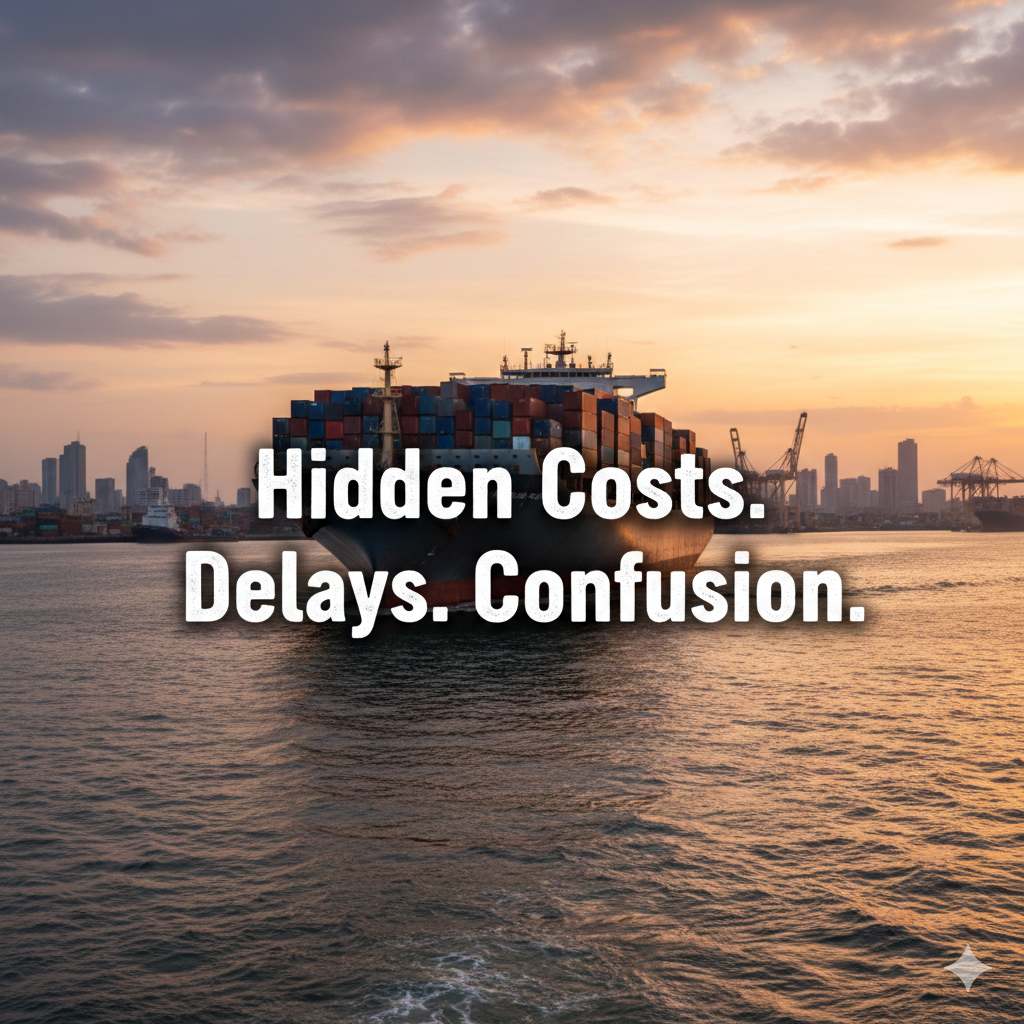
The most common problem with ocean freight shipping to Nigeria is uncertainty. Importers rarely know the true cost, the exact process, or the realistic timeline until they are already deep into the shipment. What begins as a simple plan to move goods from China, Europe, or the US to Nigeria quickly turns into a maze of port congestion, documentation errors, demurrage charges, and regulatory bottlenecks.
Many Nigerian shippers also struggle with lack of transparency from freight forwarders. Quotes are often incomplete, excluding port charges, customs duties, terminal handling fees, shipping line surcharges, and clearing costs. By the time the container arrives at Apapa, Tin Can Island, Onne, or Lekki Deep Sea Port, the total cost may be 30–60% higher than expected.
Another major problem is poor understanding of Nigerian port and customs procedures. Ocean freight does not end when a vessel berths. Without correct documentation, Form M, PAAR, HS codes, and compliance with Nigerian Customs Service regulations, containers can sit at the port for weeks—accumulating demurrage and storage fees daily.
Finally, there is the issue of choosing the wrong shipping method or partner. Many importers select freight options based solely on the cheapest rate, without understanding transit time, reliability, or how well the method fits their cargo type.
Understanding These Challenges in Detail
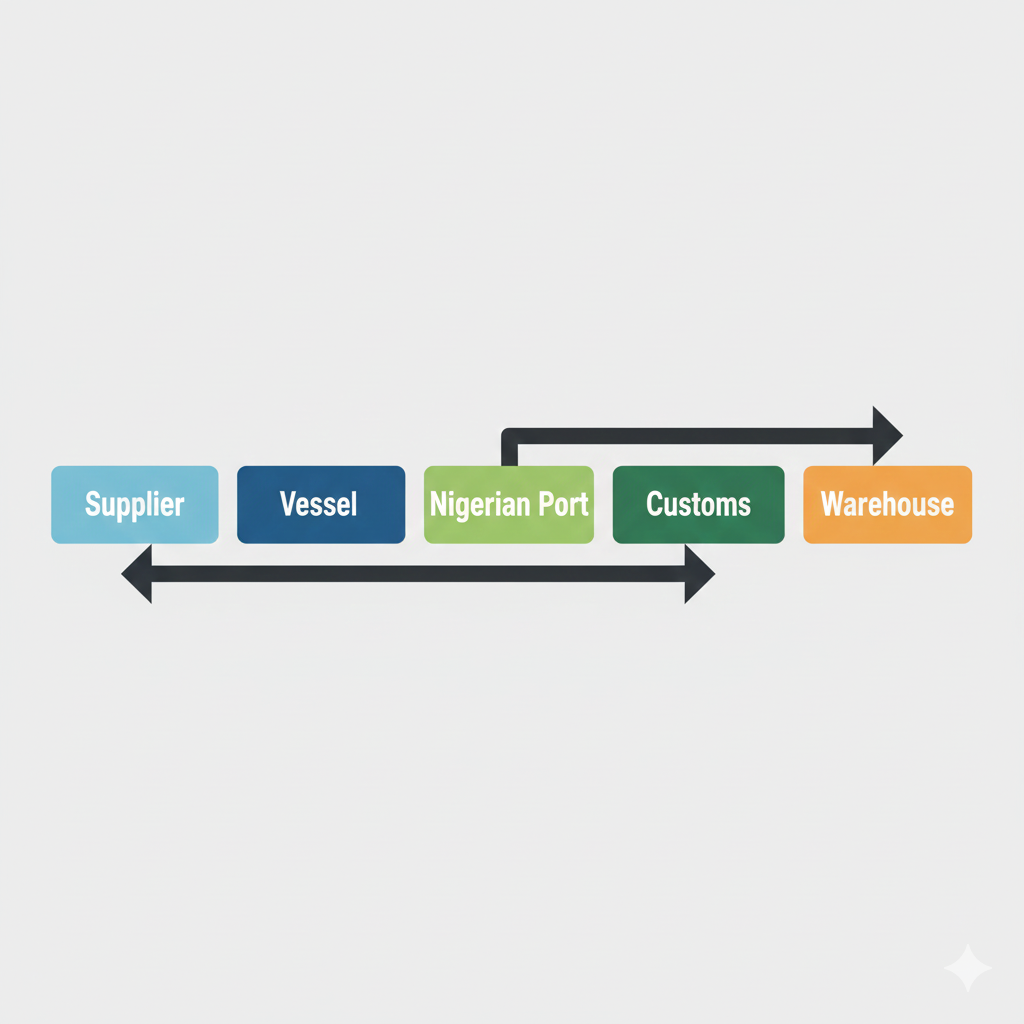
To fully grasp why ocean freight to Nigeria feels so difficult, it helps to understand how many independent systems must work together flawlessly. Ocean freight involves shipping lines, origin ports, international regulations, Nigerian port authorities, terminal operators, customs, banks, and clearing agents. A breakdown at any point affects the entire shipment.
For example, inaccurate cargo description or HS code classification at origin can trigger customs queries in Nigeria. Even a small mismatch between the commercial invoice and packing list may result in delays. Nigerian ports also operate within a high-demand environment, especially in Lagos, where congestion can significantly affect vessel berthing schedules and container evacuation timelines.
Another overlooked factor is regulatory compliance. Nigerian import processes are tightly regulated to protect local industries and ensure safety. Importers must comply with standards set by agencies such as the Nigerian Customs Service, NAFDAC, SON, and others depending on cargo type. Lack of familiarity with these rules creates avoidable delays.
To understand the regulatory environment better, importers should study official resources such as the Nigerian Customs Service import guidelines and global shipping standards from bodies like the International Maritime Organization. These sources clarify why documentation accuracy and compliance are non-negotiable in ocean freight.
The good news is that none of these problems are unsolvable. They only appear overwhelming when approached without structure or expert guidance.
Now that we have clearly defined the challenges, the next step is understanding the real-world options available to shippers. These are the paths importers commonly take—some effective, some risky, and others only suitable in specific scenarios.
Choosing the Right Ocean Freight Path for Your Nigerian Shipment
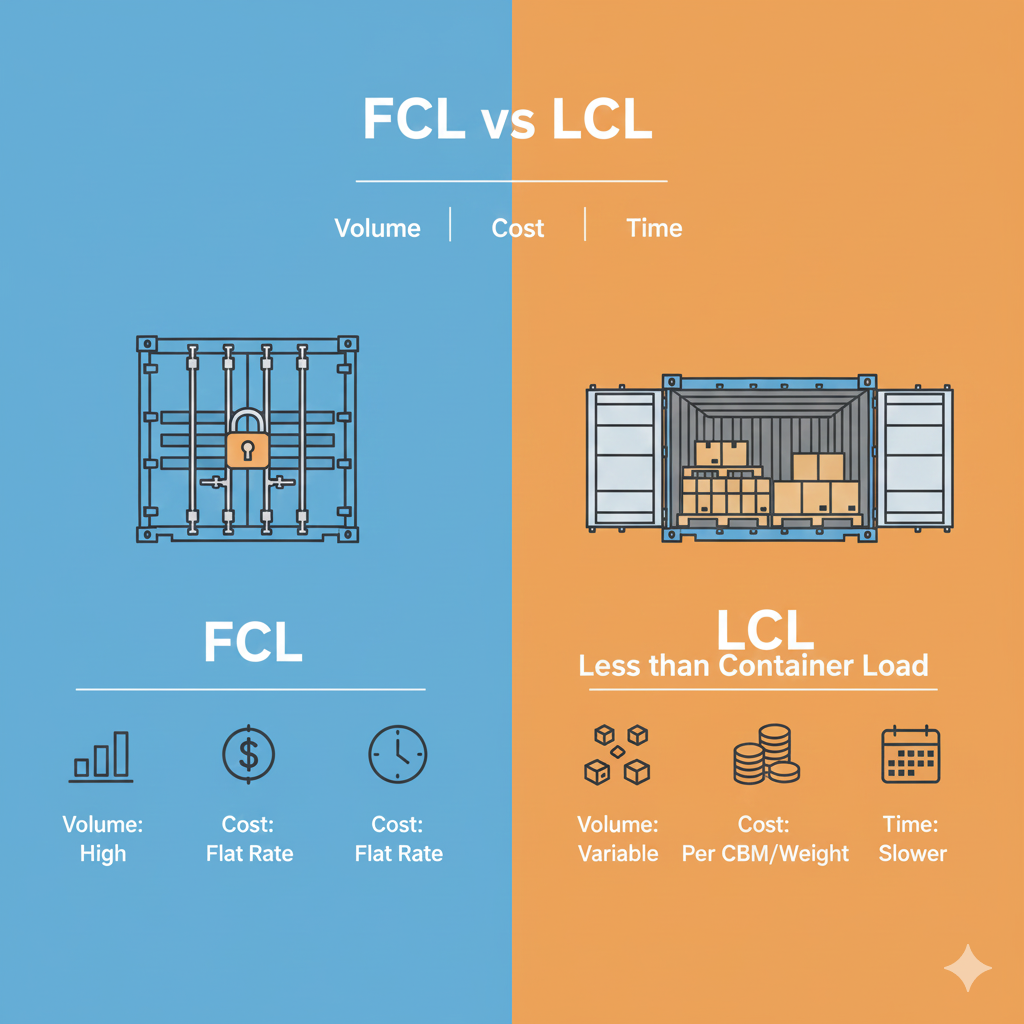
One common approach importers take is Full Container Load (FCL) shipping. This option is typically used by businesses importing large volumes that can fill a 20ft or 40ft container. FCL offers better cargo security, fewer handling risks, and faster clearance since the container is dedicated to one consignee. For Nigerian manufacturers importing raw materials or equipment, FCL is often the most predictable option.
Another widely used approach is Less than Container Load (LCL) shipping. This method allows smaller importers to share container space with other shippers. While LCL reduces upfront shipping costs, it often leads to longer transit and clearance times in Nigeria due to cargo consolidation and deconsolidation processes. It is popular among SMEs but requires careful cost-benefit analysis.
Some shippers rely heavily on freight forwarders or shipping agents to handle everything end-to-end. This option can be effective when the forwarder is experienced in Nigerian trade lanes. However, problems arise when importers hand over control without understanding the process themselves, leading to dependency and vulnerability to inflated costs.
Another option is port selection strategy. While Lagos ports dominate Nigerian imports, some shippers choose Onne Port or Lekki Deep Sea Port to avoid congestion, depending on cargo type and final destination. Port choice alone can significantly impact cost and delivery time.
Making the Smartest Choice for Your Business
Selecting the best ocean freight option to Nigeria depends on cargo volume, urgency, budget, and internal capacity. There is no universal best method—only the most suitable one for your specific shipment.
For high-volume, time-sensitive, or high-value cargo, FCL combined with a reputable freight forwarder offers the highest level of control and predictability. SMEs importing smaller volumes may find LCL suitable, but only if timelines are flexible and costs are clearly broken down in advance.
Importers with limited logistics knowledge should not simply outsource blindly. Instead, they should select partners willing to educate, disclose costs transparently, and provide shipment visibility. The smartest choice is always the option that balances cost with risk, not just the cheapest rate.
Turning the Strategy into Action: How to Ship Successfully to Nigeria
Executing ocean freight shipping to Nigeria successfully requires a clear, step-by-step approach that anyone can follow.
Start by accurately defining your cargo. Write down exactly what you are shipping, its quantity, weight, dimensions, and purpose. This information determines HS codes, duties, and whether special permits are required. Even a first-time importer can do this by reviewing the supplier’s invoice carefully.
Next, prepare all documentation before the cargo leaves origin. This includes commercial invoice, packing list, bill of lading instructions, and Nigerian import requirements such as Form M. Do not wait until the vessel is already en route. Early preparation eliminates most delays.
Then, choose your shipping partner deliberately. Request a full landed cost breakdown—freight, surcharges, port charges, customs duties, clearing fees, and delivery costs. Any partner who cannot explain these clearly should be avoided.
Once the shipment is on the water, track it actively. Ask for vessel schedules, ETA updates, and pre-arrival notices. At this stage, resources like container tracking platforms and official port operation guidelines in Nigeria (suggested anchor text) help importers stay informed.
Finally, arrange customs clearance and delivery in advance. Clearing agents should be engaged before vessel arrival, not after. This single step saves days—and sometimes weeks—at Nigerian ports.
Measuring Success and Improving Future Shipments
Evaluation is where many importers fail, yet it is the stage that turns experience into expertise. After completing a shipment, review the entire process objectively. Compare planned costs versus actual expenses. Measure transit time against initial estimates. Identify where delays occurred and why.
Ask yourself practical questions: Were documents prepared early enough? Was the freight option appropriate for the cargo? Did the port choice help or hinder delivery? Each shipment becomes a learning tool that reduces risk in future imports.
Most importantly, evaluation builds confidence. Once you understand that delays and costs are usually the result of identifiable factors—not bad luck—the process becomes manageable. Ocean freight to Nigeria is not chaotic; it is simply structured differently from what many expect.
Final Note: Ocean Freight to Nigeria Made Simple
Ocean freight shipping to Nigeria does not have to be stressful, confusing, or financially draining. The problems importers face—hidden costs, delays, regulatory hurdles—are real, but they are solvable with the right knowledge and structure.
By understanding the challenges, exploring realistic options, selecting wisely, executing methodically, and evaluating outcomes, any importer—from a first-time SME to a large manufacturer—can ship successfully to Nigeria.
At Super Moonlight Logistics, our daily operations are built around this exact framework. When ocean freight is approached logically, explicitly, memorably, and actionably, it stops being a risk and becomes a competitive advantage.
If there is one takeaway from this guide, it is this: clarity beats cost, preparation beats panic, and structure beats uncertainty—every time.

With over 15 years of hands-on experience in international logistics and ocean freight operations, the author is a senior logistics manager at Super Moonlight Logistics. He specializes in ocean freight shipping to Nigeria, port operations, customs processes, and end-to-end supply chain coordination. His writing is focused on simplifying complex logistics concepts and providing practical, real-world guidance for importers, businesses, and shipping professionals.