

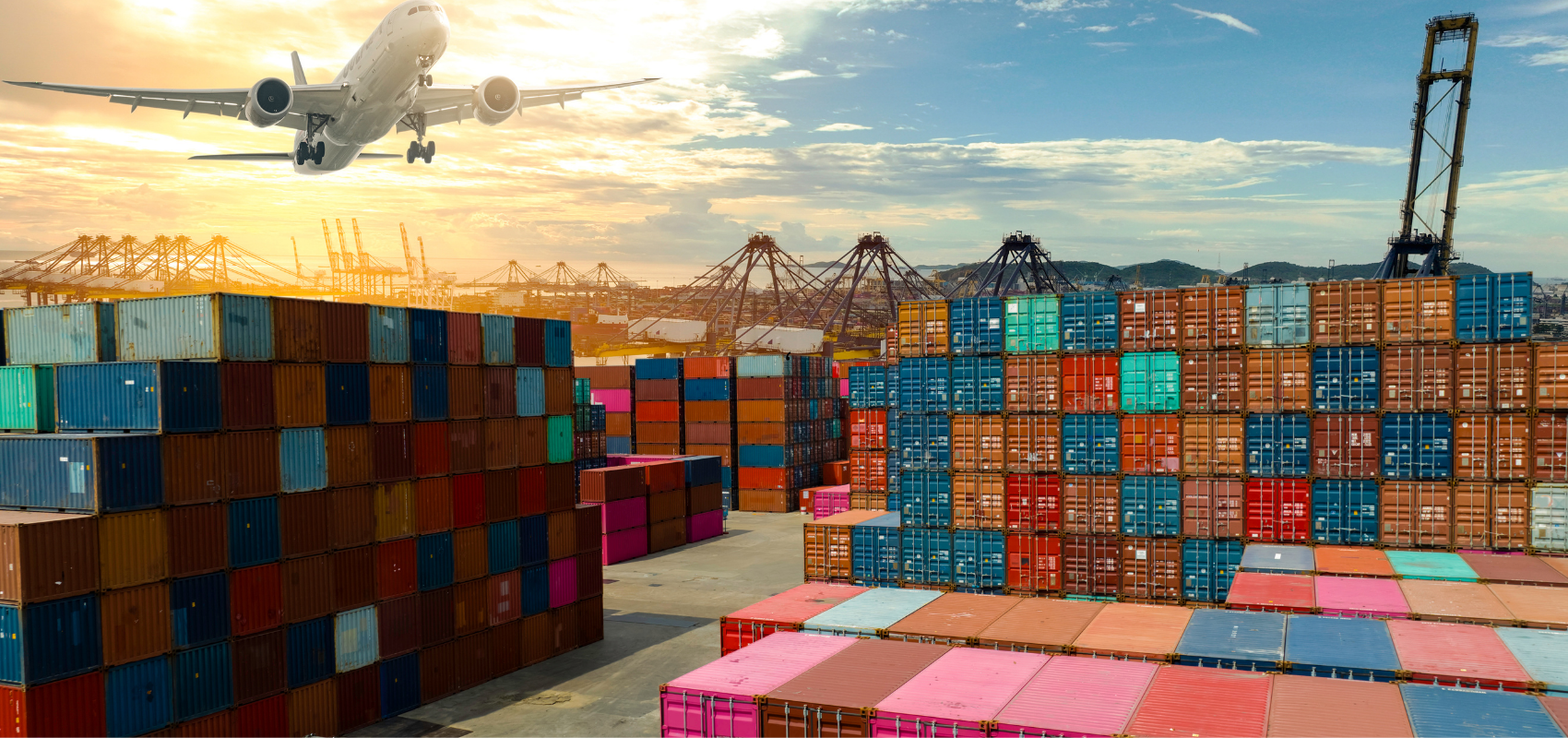
For many small businesses in Nigeria, logistics is no longer just a support function. It has become one of the biggest threats to profitability. Entrepreneurs importing raw materials from China, Dubai, Turkey, or Europe, as well as those moving goods across Nigerian states, face escalating shipping costs that eat deeply into already thin margins. From rising fuel prices and port congestion to fluctuating exchange rates and surging freight charges, the cost of moving goods has become unpredictable and overwhelming.
Small business owners often find themselves paying disproportionately high rates compared to larger companies. While multinational firms ship in full containers or bulk volumes that attract discounted freight rates, SMEs usually move smaller quantities and are forced to pay premium prices. In many cases, a business owner importing just a few cartons ends up paying almost the same shipping cost as someone bringing in half a container. This imbalance discourages growth, limits inventory planning, and forces businesses to pass higher costs to customers or reduce product quality to survive.
Beyond international shipping, domestic logistics presents its own challenges. Inter-state haulage costs have risen sharply, warehousing is expensive, and delays caused by poor infrastructure and regulatory bottlenecks often lead to losses. For a small business trying to scale sustainably, logistics inefficiency can quietly undo months of hard work.
Understanding Why Shipping Costs Hurt Small Businesses the Most
The core issue is not that shipping itself is expensive. It is that small businesses lack the volume, bargaining power, and logistical sophistication to optimize freight costs. Most carriers, shipping lines, and freight forwarders price their services based on volume, weight, and container utilization. When cargo does not fill a container or truck efficiently, the cost per unit increases significantly.
In Nigeria, this problem is amplified by systemic issues within the logistics ecosystem. Port inefficiencies, documentation delays, and congestion at major gateways like Apapa and Tin Can Island lead to demurrage and storage charges that disproportionately affect smaller importers. Many SMEs also lack access to accurate freight planning data, making it difficult to forecast costs or choose the most economical shipping method.
This is closely tied to customs clearance timelines in Nigeria, delays at the documentation and inspection stage can quietly add days of demurrage on top of freight costs that were never budgeted for.
Additionally, small businesses often rely on ad-hoc shipping decisions like booking freight only when goods are ready rather than strategic logistics planning. This reactive approach removes opportunities for cost optimization such as shared shipping, route optimization, or negotiated rates. According to global logistics research and performance benchmarks countries with fragmented logistics systems tend to impose higher indirect costs on SMEs than on large corporations.
There is also the knowledge gap. Many small business owners are unaware of alternative shipping models that could significantly reduce their expenses. Without guidance from experienced logistics partners, they default to the most obvious but not necessarily the most efficient shipping options.
Industry insights from global freight organizations consistently show that cost efficiency in logistics is driven more by planning and consolidation than by shipping speed alone.
At this point, it becomes clear that the problem is not unsolvable. The real challenge lies in choosing the right approach to shipping smaller volumes without absorbing unnecessary costs.
Shipping Independently with Full Control Over Cargo
One common approach small businesses adopt is shipping independently, where they book freight solely for their goods, even when volumes are small. This option gives business owners full control over their cargo, documentation, and delivery timelines. It often feels safer because there is no dependency on other shippers, and communication is direct between the business and the logistics provider.
However, this approach comes at a cost. Shipping independently almost always results in underutilized containers or trucks, meaning the shipper pays for unused space. For international shipments, this translates into high freight charges, port fees, and customs costs spread across a small volume of goods. While independence offers control, it rarely offers efficiency for SMEs operating below full-container or full-truck volumes.
Using Express or Courier-Based Shipping Services
Another option frequently considered is express or courier-based shipping. These services are attractive because they are fast, predictable, and easy to use. Small businesses can ship cartons or pallets without worrying about consolidation timelines or port processes. For urgent or high-value goods, this option can be justified.
The downside is cost. Express shipping is priced at a premium; for a detailed breakdown of current per-kilogram rates, see our air cargo cost guide for Nigerian importers. For businesses importing regularly, these costs quickly become uand for businesses importing regularly, these costs quickly become unsustainable. Courier services also impose strict weight and size limits, making them impractical for growing businesses that need to move higher volumes. Over time, reliance on express shipping can severely erode profit margins.
Partnering with Freight Forwarders Offering Cargo Consolidation
A third option, often overlooked but increasingly essential, is cargo consolidation. This involves combining shipments from multiple businesses into a single container or truck, allowing costs to be shared proportionally. Instead of paying for space, each shipper pays only for the space their goods occupy.
Cargo consolidation requires coordination, trust, and professional handling. When managed properly by experienced logistics companies, it offers a balance between cost efficiency and reliability. This option does not eliminate control; rather, it replaces isolated decision-making with structured collaboration. This is one of the core reasons experienced operators are considered among the global logistics research and performance benchmarks to Nigeria their ability to consolidate smaller shipments into efficient, cost-shared freight is what separates a good freight partner from a merely convenient one.
Choosing the Most Cost-Effective Path for Sustainable Growth
When evaluating these options, one factor stands out above all others: scalability. Small businesses do not remain small forever or at least, they should not. Any logistics strategy chosen today must support growth tomorrow without forcing the business to repeatedly overhaul its shipping model.
Independent shipping works well only when volumes are high enough to justify full container or truck usage. Express shipping is ideal for emergencies or limited quantities but becomes financially restrictive as demand grows. Cargo consolidation, however, adapts seamlessly to different stages of business growth. It allows businesses to ship small volumes today while benefiting from economies of scale traditionally reserved for larger companies.
In Nigeria’s dynamic business environment, where cash flow management is critical, cargo consolidation offers predictability. Costs become more stable, shipping schedules more structured, and inventory planning more accurate. For SMEs seeking long-term sustainability rather than short-term convenience, consolidation emerges as the most balanced and economically sound option.
Implementing Cargo Consolidation the Right Way
Executing cargo consolidation successfully begins with choosing the right logistics partner. Not all freight forwarders have the infrastructure, networks, or experience required to manage consolidated shipments efficiently. Businesses should work with logistics providers who operate established consolidation routes, maintain reliable schedules, and offer transparent pricing.
Proper documentation and cargo preparation are equally critical. Consolidated shipments demand accurate labeling, packaging, and paperwork to avoid delays or mix-ups. Documentation discipline matters for smooth customs clearance at Nigerian ports. Businesses should align their shipping timelines with consolidation schedules and maintain clear communication with their logistics partner throughout the process.
Technology also plays a vital role. Digital tracking systems and freight management platforms help businesses monitor their shipments in real time and plan inventory accordingly. Insights from global supply chain authorities highlight that transparency significantly reduces delays and cost overruns in consolidated shipping.
Finally, businesses should educate themselves on customs processes and regulatory requirements. Leveraging resources from recognized trade bodies can help avoid penalties and ensure smooth cargo clearance.
When executed properly, cargo consolidation transforms logistics from a cost burden into a strategic advantage.
Measuring Success and Refining the Approach (Evaluate)
Evaluation is where confidence is built. Small businesses should regularly assess how cargo consolidation is impacting their operations. Key indicators include cost per shipment, delivery timelines, inventory turnover, and customer satisfaction. Comparing these metrics before and after adopting consolidation provides clear evidence of improvement.
Beyond numbers, businesses should evaluate consistency. Are shipments arriving on schedule? Are costs predictable? Is inventory planning easier? Positive answers to these questions confirm that the logistics strategy is working.
Most importantly, evaluation helps business owners realize that the logistics challenge they once feared is manageable. With the right structure and partners, shipping does not have to be a barrier to growth. Instead, it becomes a controlled, optimized process that supports expansion and profitability.
At Super Moonlight Logistics, we have seen firsthand how cargo consolidation empowers small businesses to compete more effectively, manage costs confidently, and plan for the future without fear. The problem is real but with the right approach, it is far smaller than it appears.
